
John Boyce grew up on a stud farm and is a bloodstock journalist and former editor of Pacemaker and of The Thoroughbred Breeder. He was part of the Darley/Godolphin team from 2001 to 2022 as Group Marketing Head and then Group Head of Research. He is currently a partner in a data analytics company based in London.
Pinhooking Pointers
John Boyce analyses the foal-to-yearling sales results for 2026
By the end of last year, 925 pinhooked yearlings – 17 per cent of all yearlings – had sold in Europe. The average price paid for these yearlings was £77,207 and their average cost at the previous year’s foal sales amounted to £44,620, producing a gross profit margin of £32,587, or a mark-up of 73 per cent before other costs are considered. If we allow £10,000 for interim expenses, the 925 falls to 541 (58 per cent) profitable yearlings. However, if we levy £20,000 for interim costs, the number profitable declines to 399 (43 per cent).
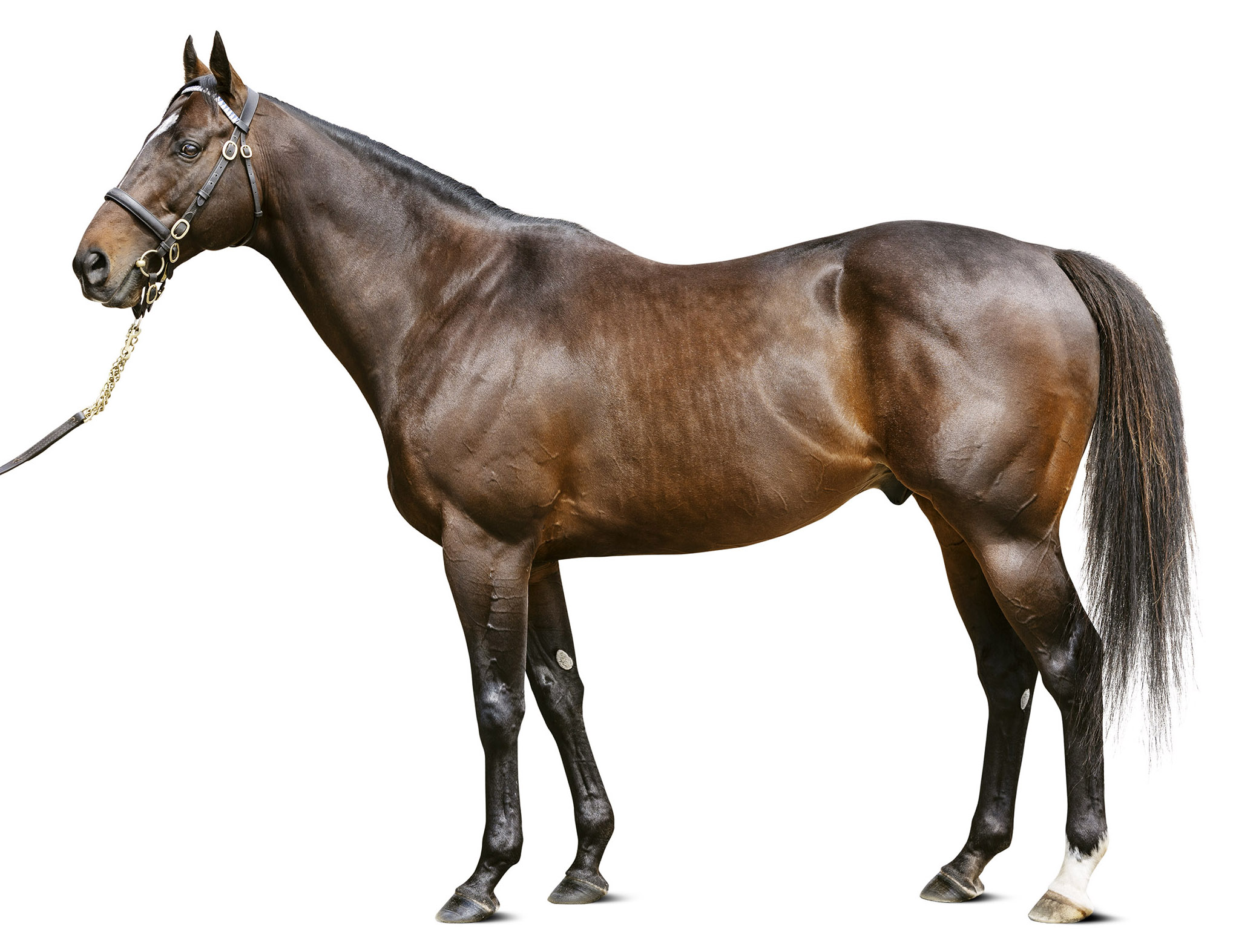
Blue Point, who has been the most profitable sire for pinhookers over the last three years
The corresponding numbers this year are 999 sold for an average of £70,087 that cost on average £43,125 as foals, producing a reduced mark-up of 63 per cent, while 477 (48 per cent) were profitable after £10k of other costs, and 348 (35 per cent) cleared their foal purchase price plus £20k, both metrics lower than last year’s 58 and 43 per cent.
Although there are a few yearling sales to come, the above numbers paint a clear picture of a tougher market for the foal-to-yearling traders. Costs were broadly stable, with the average foal price slipping by £1.5k, which suggests that buyers were disciplined when restocking after last year’s strong yearling market. The problem lay at the other end, where the average yearling price fell by more than £7k, taking the gross margin down from £33k to £27k. Pinhooking was more popular, with 20 per cent of all yearlings sold coming from the foal sales against 17 per cent last year, but fewer of them made money.
This narrative reflects a yearling market that consolidated rather than advanced. The European average edged up by less than 1 per cent to a record £81.6k, but the median slipped 4 per cent to £32.0k, leaving little room for traders who bought at last year’s levels to profit from market inflation.
There have been 71 sires with five or more pinhooked yearlings sold so far this year and, although the risks of paying hundreds of thousands for any foal are substantial, the rewards can justify the outlay. The sire to be on this year was Blue Point, provided you had the right foal. His seven pinhooked yearlings sold for an average of £313,942 against an average foal cost of £157,263, producing the best average profit of all at £156,679. The star of the group was the colt out of Tippy Toes, who cost £262,500 as a foal and sold at Tattersalls October Book 1 for £997,500, a profit of £735,000. Four of the seven cleared the £10k hurdle, which just goes to show how a single big result can disguise a mixed record.
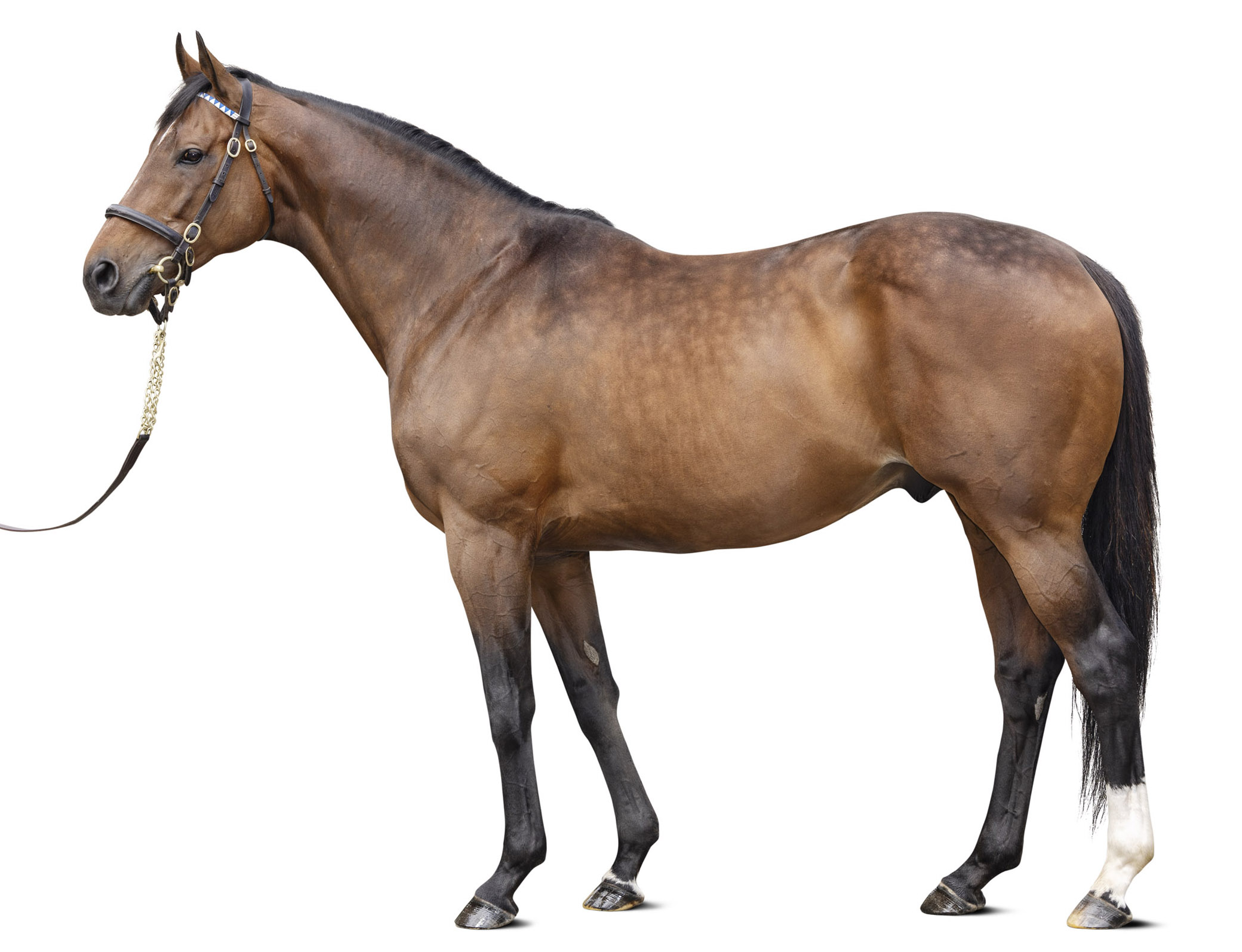
Thirteen of Ghaiyyath’s 14 yearlings made a profit, including the most lucrative pinhook of the year
Close behind was Ghaiyyath with an average profit of £139,598 from his 14 pinhooked yearlings, more than six times his fee of £21,678. Thirteen of the 14 (93 per cent) made money after allowing £10k of extra costs, and he supplied the single most lucrative pinhook of the year, the colt out of Maria Christina who cost £176,433 as a foal and sold at Book 1 for £1,365,000, a profit of more than £1.18m. Kingman also featured among the highest individual profits, with his colt out of Surprisingly rising from £162,750 to £1,155,000.
Among sires with five or more pinhooked yearlings sold, only two achieved a 100 per cent success rate, with every one of their yearlings making money even after taking account of £10k worth of extra costs. They were Camelot, whose seven yearlings sold for an average of £247,191 against a foal cost of £128,556, and Baaeed, whose five averaged £228,004 for an average profit of £92,871.
Among the first-season sires, Little Big Bear led the way for reliability, with 12 of his 13 pinhooked yearlings (92 per cent) showing a profit, including an average profit of £94,436, four times his fee of £23,846. Ace Impact also did well, with seven of his eight in profit and an average gain of £113,608, while Modern Games posted the highest average profit of the group at £121,908 for five sold, although only two of them cleared £10k, showing how heavily the average relied on one or two big results. Native Trail was among the busiest first-season sires with 38 pinhooked yearlings sold (only Good Guess, with 39, had more), and 14 (37 per cent) made a profit.
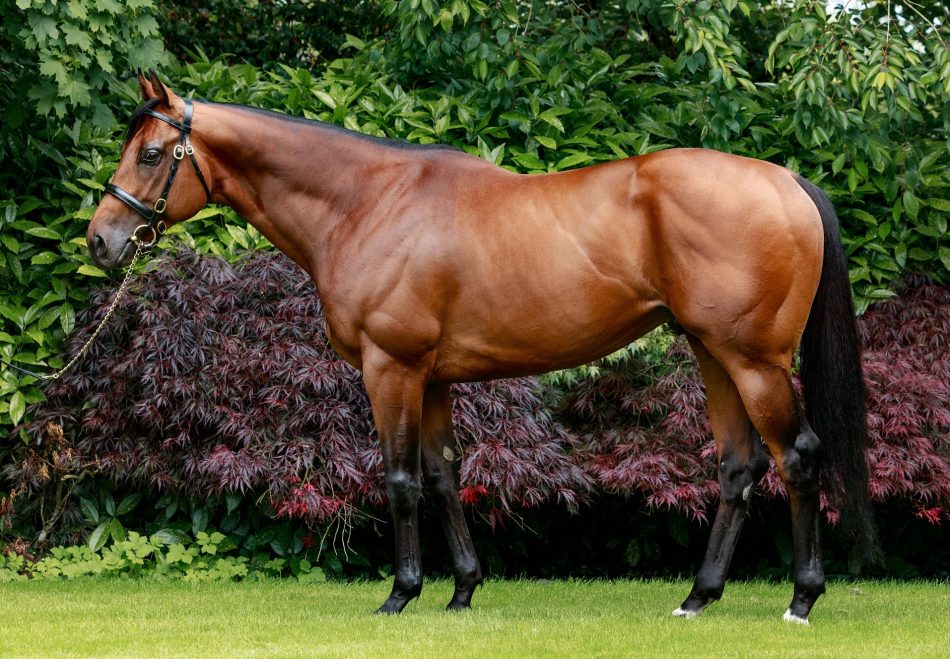
Little Big Bear led the way for reliability amongst the first season sires, with 12 of his 13 pinhooked yearlings showing a profit
Starman delivered the best average profit compared with his fee, with his 14 pinhooked yearlings averaging £59,709 against a fee of £8,671, almost seven times the stallion’s price, and nine (64 per cent) were in profit. Havana Grey supplied ten pinhooks, eight (80 per cent) of which made money, at an average yearling price of £203,563.
Among those sires with 20 or more pinhooked yearlings, Mehmas did particularly well to deliver an in-profit percentage of 70 for his 30, with an average profit of £45,172. At the other end of the scale, the high-volume sires found the going tougher, with Good Guess (44 per cent of 39) and Dragon Symbol (29 per cent of 38) falling below the overall level of 48 per cent, and Shaquille (48 per cent of 31) merely level with it.
Over the past three years, Blue Point has also been the most profitable sire for foal-to-yearling traders and by some distance. His 57 pinhooked yearlings since 2023 cost £5.65m as foals and sold for £11.73m, a gross profit of £6.08m and a mark-up of 108 per cent, as the average price rose from £99,083 to £205,790. Allowing £10,000 of interim costs per yearling, or £570,000 in all, the cumulative profit is £5.51m, or £96,707 each, and 41 of the 57 (72 per cent) cleared their costs.
The bulk came from the 2023 crop, whose 31 pinhooks made £3.48m after costs, with £1.01m from 19 in 2024 and £1.03m from this year’s seven. Per pinhook, the average net profit was £112,153 in 2023, £53,096 in 2024 and £146,679 this year, so the latest crop was the most rewarding per lot despite the smallest sample. Havana Grey was second on £4.30m from 75 pinhooks, 52 (69 per cent) of them in profit, followed by Mehmas on £2.98m from 62 and Sioux Nation on £2.97m from 96. Blue Point made £1.21m more than Havana Grey from 18 fewer pinhooks, which suggests his lead owes as much to quality as to volume.
TOP 20 SIRES WITH 5+ PINHOOKED YEARLINGS SOLD IN 2026 ARRANGED BY AVERAGE DIFFERENTIAL
| Name | Crop | Fee £ | Pinholes | % of All | Max £ | Yearling Average £ | Foal Average £ | Diff £ | Profit | PFR% |
| Blue Point | 5 | 52,028 | 7 | 12% | 997,500 | 313,942 | 157,263 | 156,679 | 4 | 57% |
| Ghaiyyath | 4 | 21,678 | 14 | 24% | 1,365,000 | 210,778 | 71,180 | 139,598 | 13 | 93% |
| Modern Games | 1 | 30,000 | 5 | 9% | 644,928 | 207,568 | 85,660 | 121,908 | 2 | 40% |
| Camelot | 11 | 43,357 | 7 | 13% | 525,000 | 247,191 | 128,556 | 118,634 | 7 | 100% |
| Ace Impact | 1 | 34,685 | 8 | 15% | 787,500 | 189,357 | 75,749 | 113,608 | 7 | 88% |
| Little Big Bear | 1 | 23,846 | 13 | 23% | 420,000 | 150,800 | 56,364 | 94,436 | 12 | 92% |
| Baaeed | 2 | 80,000 | 5 | 13% | 446,250 | 228,004 | 135,133 | 92,871 | 5 | 100% |
| New Bay | 8 | 65,036 | 12 | 20% | 735,000 | 212,090 | 131,016 | 81,074 | 9 | 75% |
| Havana Grey | 6 | 55,000 | 10 | 16% | 315,000 | 203,563 | 132,774 | 70,789 | 8 | 80% |
| Starman | 3 | 8,671 | 14 | 27% | 682,500 | 123,202 | 63,494 | 59,709 | 9 | 64% |
| St Mark's Basilica | 3 | 43,357 | 11 | 20% | 256,548 | 126,043 | 68,339 | 57,704 | 8 | 73% |
| Pinatubo | 4 | 35,000 | 9 | 13% | 294,000 | 90,179 | 33,186 | 56,993 | 6 | 67% |
| Starspangledbanner | 14 | 39,021 | 17 | 28% | 341,250 | 136,264 | 82,122 | 54,141 | 11 | 65% |
| Sioux Nation | 6 | 23,846 | 16 | 15% | 315,000 | 110,053 | 59,501 | 50,552 | 11 | 69% |
| Mehmas | 8 | 43,357 | 30 | 26% | 341,250 | 129,603 | 84,431 | 45,172 | 21 | 70% |
| Lope de Vega | 14 | 108,393 | 7 | 11% | 420,000 | 220,074 | 179,206 | 40,868 | 4 | 57% |
| Cracksman | 6 | 17,000 | 5 | 17% | 77,318 | 58,447 | 18,136 | 40,311 | 4 | 80% |
| Study of Man | 5 | 12,500 | 12 | 27% | 262,500 | 108,462 | 68,762 | 39,700 | 8 | 67% |
| Gleneagles | 9 | 15,175 | 7 | 16% | 262,500 | 112,226 | 72,588 | 39,638 | 6 | 86% |
| Vadeni | 1 | 15,608 | 6 | 17% | 210,000 | 3,288 | 35,171 | 38,117 | 2 | 33% |
New advertised stallions for 2026
Click on any of the new stallions below to go straight to their records
Click below to buy the 2026 book.
Why Advertise Your Stallion
Each Advertised Stallion comprises:
An Overview • Stud Record • Sales Record • Race Record • Pedigree Record